The Global Language of Basketball: Insights into How International NBA Stars Perceive the Game
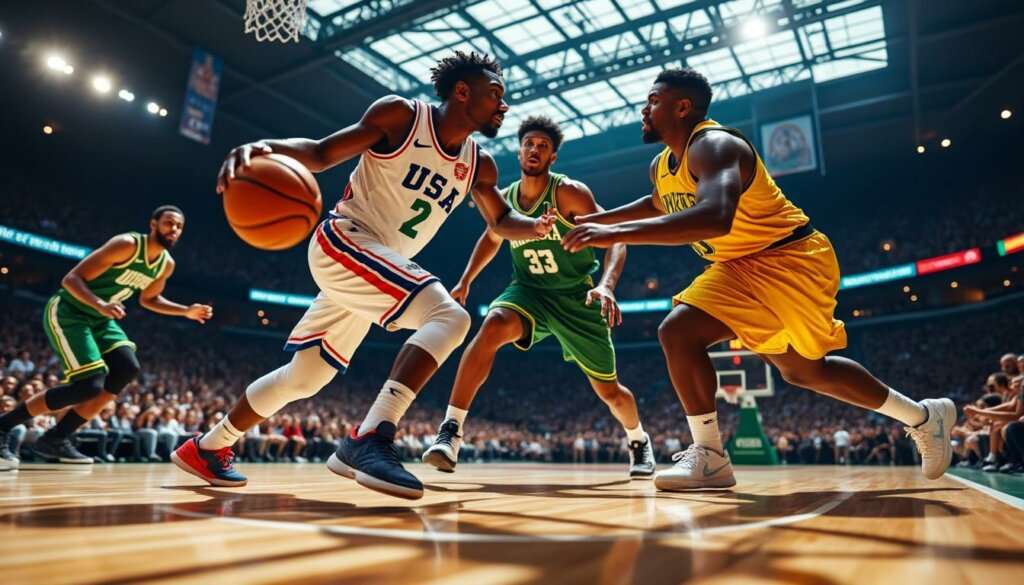
As a former NBA player, I have seen how basketball speaks a common language across continents. This piece explores how international players shape that language through habits, training, and mindset. You will read concrete examples from courts in Athens, Lagos, and Madrid. You will learn how game strategy shifts when players merge local rules with NBA systems. You will see how teamwork and sportsmanship move a squad from a series of moves to a winning culture. The modern global sport blends European spacing, African athleticism, and American pace. That mix raises the level of competition and broadens athlete perspectives. Coaches adjust playbooks. Young players adopt habits from role models worldwide. Fans gain new styles to admire. I offer scenes from preseason battles, training routines, and locker room talks. Expect actionable takeaways to apply in pickup games, club practices, or coaching plans. The next sections break the topic into clear angles. Each angle includes causes, effects, and a short example from a real player or team. Read with focus. Use the insights to improve your reading of the game and your role on the court.
How international NBA players shape the global language of basketball
The rise of international players changed on-court vocabulary. European spacing forced shifts in game strategy across NBA rosters. Coaches blend pick and roll with positionless movement. Teams that adopt varied styles win more matchups in tight schedules.
International styles meet NBA systems
When a player raised in Spain joins an NBA squad, priorities shift. Ball movement rates rise. Defensive positioning alters. This creates hybrid offenses that keep opponents off balance. A final takeaway, hybrid styles reward players who read the floor.
What athlete perspectives reveal about teamwork and game strategy
Players who grew up outside the United States bring surgical passing and high basketball IQ. Teammates respond by improving spacing and choice passes. The result is smoother transitions and better late game execution.
Athlete perspectives that alter coaching choices
Coaches adjust to these perspectives by simplifying reads and emphasizing decision speed. Teams add practice reps for cross-cultural pick and roll variations. A short example, a coach adds a Euro-style entry to free a shooter on the weak side. Key insight, coaching that respects player background improves performance.
How cultural exchange lifts competition and sportsmanship worldwide
Touring clinics and international camps spread norms about training, rest, and recovery. Young athletes adopt a professional routine earlier than previous generations. The result is deeper talent pools and stiffer competition at every level.
Real examples of cultural exchange shaping play
Giannis style stories show how street work in Athens developed finishing skills and work ethic. African academies produce explosive athletes with disciplined footwork. Those stories push global leagues to scout deeper. Final point, cultural exchange raises standards on and off the court.
Practical moves for players and coaches to use international insights
Apply these five habits to improve your game and team dynamic. Each habit links to a clear reason and a short drill idea.
- Spacing drills, increase court vision through 5-on-5 rotations. Do short, timed rotations to force quick reads.
- Passing under pressure, use two-ball drills to boost decision speed. Add defensive closeouts to simulate game pressure.
- Footwork routines, borrow footwork flows from European guards. Repeat five minutes per session.
- Competitive scrimmages, mimic international rules in practice to improve adaptability. Rotate players through new roles.
- Recovery and routine, adopt recovery habits seen in elite international programs. Schedule active rest days each week.
For a full training template, review a proven plan used by pros at every level via this Biota basketball training routine. A helpful read on preseason battles and role shifts appears at NBA preseason position battles. Key insight, habits beat talent in the long run.
How equipment and rules shape the global sport and competition
Ball type, court size, and footwear influence play style. International leagues use slightly different balls and rim tolerances. Players adapt handling and shot timing to those variables. Coaches who understand these details win matchups in international play.
Small details that change performance
Shoes alter landing and cut efficiency. A small change in ball grip affects release point. Teams that test gear during training avoid surprises on game day. Final note, attention to detail separates winning teams.
Our opinion
The global language of basketball is now bilingual. Players and coaches must speak both NBA terms and local idioms. Embrace cross-cultural learning to elevate your game and your team. A closing insight, your ability to adapt decides your role in the next winning lineup.