In Minneapolis, a sense of unease pervades—NBA games offer no escape from the unsettling atmosphere
A city on edge met a packed arena on a cold night in 2026. On the drive to Target Center I passed a familiar four-way stop, the same one near my son’s school. Volunteers patrolled the route, a police cruiser waited across from the school, and a retail lot once busy with workers stood quiet after weeks of federal immigration enforcement. Protesters had filled the corner by a Dairy Queen the day before following the federal agents' shooting of Alex Pretti. The killing followed another recent death in the metro, and a metro-wide general strike closed shops across northeast Minneapolis.
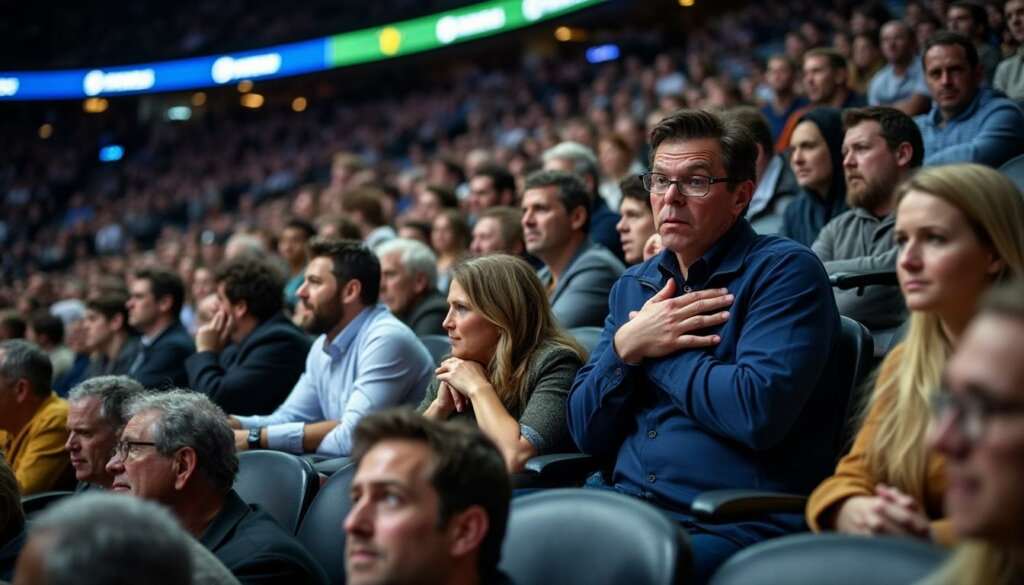
The arena offered a fragile refuge. Fans sought community through sports, hoping for a brief escape from the growing tension in the streets. The night’s NBA matchup began with ritual and pageantry, then a moment of silence for Pretti. Chants echoed from the stands, and the usual game rhythm slipped under the weight of an unsettling atmosphere.
As a former professional player, I focused on two things. The first was the city beyond the arena, wounded and restless. The second was the court inside, where players tried to perform while carrying a heavy sense of unease. This piece traces how local unrest reshaped a single game day, with on-court fallout and the reasons fans kept returning for live games.
Minneapolis unease and how NBA games reflect an unsettling atmosphere
The route to the arena felt different. Stores near First Avenue stayed closed during a strike, and Border Patrol presence altered daily routines. A common scene in recent weeks included protesters marching past hotels where visiting teams lodged. The city’s public mood bled into the arena foyer, where friends and families arrived with guarded faces.
Inside the building, staff and security moved with extra caution. The league postponed one matchup by a day for safety planning, then resumed play with heavy resources on hand. During pregame, coaches addressed the human cost of recent events. The comments landed with rawness, not political theater.
Key insight. A single night showed how civic unrest shapes the atmosphere of an NBA event and alters the collective effort to find normalcy through sports.
How game day routines shifted under tension in Minneapolis
Players kept pregame rituals, but emotional load changed focus. Coaches offered short, sincere remarks about recent deaths. Chris Finch spoke on the human toll with a trembling voice, and visiting coach Steve Kerr warned about the polarizing news cycle.
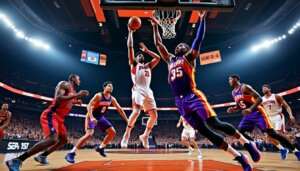
On the court, the Wolves’ early turnovers showed distraction. Anthony Edwards started hot from the field then struggled with ball security. The team committed a long string of turnovers in the opening half, a performance drop tied to collective unease more than matchup weakness.
Key insight. Routine looks normal from a distance, but emotional strain reduces focus and increases mistakes during high-pressure moments.
Why fans kept coming to games despite the unrest in Minneapolis
Fans returned to the arena seeking community and a brief reprieve. Tickets sold out near 19,000 seats, though energy felt muted. The crowd’s presence proved important for people seeking a shared space away from headlines.
- Shared escape — Fans wanted two hours without the news cycle, to cheer and breathe alongside neighbors.
- Community ritual — Season ticket holders used games to reinforce local ties and routines disrupted by protests.
- Support for players — Many came to back the team through a rough stretch, showing solidarity despite worry.
- Visibility — Attending sent a public message about choosing togetherness over fear.
Example. A longtime season ticket holder told me the arena felt like a pressure valve, not a cure. People left feeling raw but connected.
On-court effects: performance drops, focus loss, and momentum shifts
The scoreboard reflected the emotional toll. The Wolves lost 111-85 and registered an unusually high turnover count early. Key contributors missed shots or forced plays under stress. Naz Reid finished scoreless for the first time in years, and several rotation players struggled with basic execution.
Players and staff admitted it was hard to compartmentalize. Some refused to make excuses. Others said steady repetition of games offered a method to cope, by giving frames of normal work amid turmoil.
Key insight. Emotional unrest reduces performance margins, making routine plays into fragile moments that swing outcomes.
Our opinion
This city needs more than a night of games. Live sports provide shared experience and a small measure of relief, but they do not replace civic solutions. Fans, teams, and local leaders must keep pressure on systems that produce loss and fear, while protecting space for community rituals.
You should expect emotional spillover in arenas near ongoing unrest. If you attend, arrive informed and prepare for a charged atmosphere. If you cover these events, focus on concrete actions and human stories over polemics.
Final insight. A packed arena does not erase unease, but it shows a city refusing to stop gathering, refusing to lose its public life despite an unsettling sense of tension.