Molten vs Tarmak: which budget basketball is best for European street games in 2025?
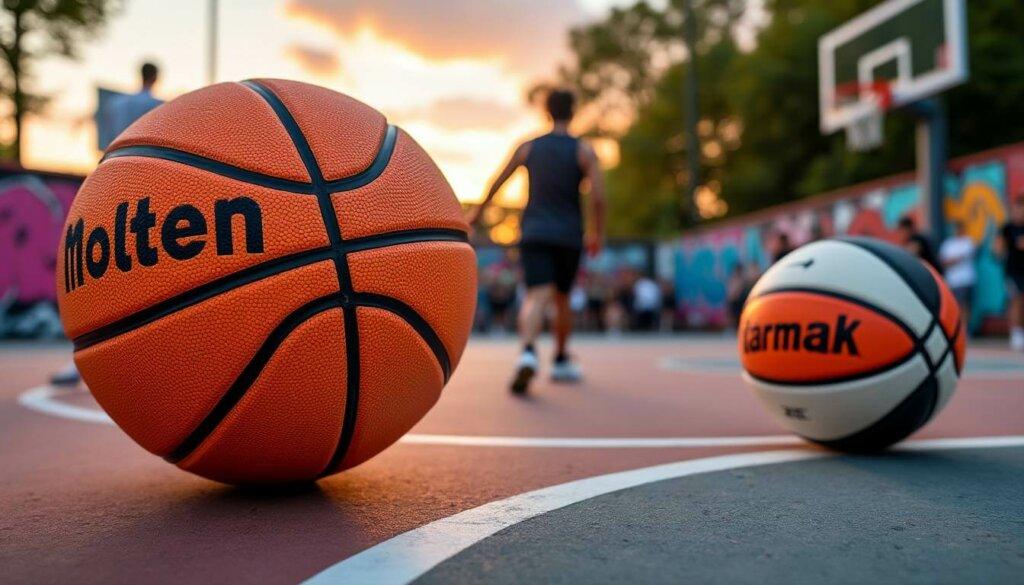
Streetball in Europe has evolved: courts are harder, players move faster, and budgets matter. Choosing the right cheap ball will shape how you play — from first touch to deep nights of pickup. This piece cuts through brand noise and gives a former NBA player's take on whether Molten or Tarmak is the smarter play for European street games in 2025.
Molten vs Tarmak for European streetball: headline comparison
On paper, Molten carries the prestige of FIBA and long-term durability, while Tarmak (Decathlon's basketball line) has aggressively targeted value and consistency. In actual street conditions — rough asphalt, wet weather, mixed-size hoops — the differences show up in grip, longevity, and how the ball feels on the finger tips.
- Molten: better panel construction, two-tone FIBA look, often preferred in federated play.
- Tarmak: engineered for affordability and surprising consistency; great for players who burn through balls.
- Other brands that matter on the street: Wilson, Spalding, Nike, Adidas, Peak, and Under Armour — all influence expectations for feel and bounce.
For a focused comparison of value claims, read the side-by-side analysis at Tarmak vs Molten: Value and the broader matchup at Tarmak vs Molten Basketball. These break down why budget choices aren’t just about price.
Key takeaway: Molten wins on pro feel; Tarmak wins on bang-for-buck. Next we dig into how that translates to grip and bounce on the streets.
Grip, bounce and durability: what matters on concrete courts
Concrete eats rubber and composite covers. A ball that feels great indoors can turn slick in two weeks outdoors. I test balls by playing full-court games, simulating rainy starts and long sessions — the same habits I used in pickup sessions during my pro years.
- Grip: Molten’s textured composite tends to keep grip longer, especially in light rain. Tarmak’s grip is good fresh out the box but can smooth faster.
- Bounce consistency: Tarmak BT900 line maintains acceptable pressure and bounce for budget price; Molten GG7X-style balls stay truer to FIBA specs.
- Durability: Abrasion resistance favors Molten’s higher-end BG-series; cheap rubber balls from some rivals (and older Spalding/Adidas street lines) can break down faster.
Practical example: Marco, a Paris streetballer I coached in a summer league, swapped from a worn Wilson to a Tarmak BT900 and immediately noticed better weight consistency — but he went back to a Molten for tournaments because it resisted scuffs over weeks. If you want a deeper technical read, see the Molten comparisons here: Molten BG4500 vs GG7X and Molten BG3800 vs BG4500.
Closing insight: choose based on how long you need top grip to last — shorter lifespan favors Tarmak value, longer sessions favor Molten.
Price-performance: why the cheapest ball isn't always the best budget move
Budget doesn't just mean low cost — it means best cost over time. A ball that lasts twice as long at 1.5x the price is better value for frequent players. Brands like Decathlon (Tarmak) challenged legacy companies by offering reliable design at scale.
- Short-term buyers: if you play once a week, a Tarmak or entry-level Molten BG3800 makes sense.
- Heavy users: pay up for a BG4500 or an equivalent Molten to avoid replacing balls mid-season.
- Alternatives: some street players still prefer Wilson's outdoor lines or even older Spalding legacy models for specific grip/bounce traits; check comparisons like Wilson vs Spalding and a coach-focused break at Wilson Evolution vs Evo NXT.
Decision rule: calculate sessions per ball. If you play every week, invest in a slightly pricier Molten — it pays off. If you host casual pickup, Tarmak stretches your budget further.
How to pick the right budget ball for your streetball crew
Picking a ball is part technique, part crew preference. I recommend a quick checklist so teams stop fighting over a slippery ball five minutes into pickup. These are habits I taught younger players when coaching summer camps after my NBA days.
- Inspect cover type: composite vs rubber — composite wins for feel, rubber for extreme durability.
- Size and weight: stick to size 7 for men’s full-court streetball; size 6 if you run mixed teams or smaller hoops.
- Inflation routine: keep a needle and pump in the bag to maintain consistent bounce.
- Rotation: rotate balls between games to extend life; assign a crew member to check for cuts or major wear.
Example drill: before a tournament, I had teams play with three different balls — a Molten, a Tarmak, and a Wilson — to see which ball matched the court and style. Most teams picked the ball that handled wet rims and heavy hands best. If you want a deep dive into specific model specs and how they compare to pro-level balls, consult reviews like Molten BG3800 vs BG4500 and model-specific takes such as Spalding TF1000 Legacy Classic.
Final tip: buy smart — a slightly better ball means less arguing and better games. That’s the real win on the street.
Quick recommendations: best budget basketball picks for European street games
Below are practical picks depending on how you and your crew use the ball. I include alternatives from major brands so you can cross-shop at local stores or online.
- Best balanced budget pick: Tarmak BT900 — affordable, consistent, great for regular pickups.
- Best value with pro feel: Molten BG3800 — feels closer to FIBA balls without the top-tier price; see the BG3800 vs BG4500 comparison at Molten BG3800 vs BG4500.
- Best toughness: Molten BG4500 — thicker composite for longer wear; compare with GG7X at Molten BG4500 vs GG7X.
- Classic outdoor option: Wilson outdoor series — durable and widely available; read more at Wilson vs Baden and Wilson vs Spalding.
- For competitive street tournaments: consider premium composite balls from Molten or legacy Spalding TF1000 style models for predictability in play — see the Spalding take here: Spalding TF1000 Legacy Classic.
Buyer’s insight: match ball selection to frequency and weather. Spend a bit more if you want consistent championships; save if you run casual crews or community courts.
Molten and Tarmak both deserve spots in European streetball — the question is whether you want pro-like longevity or maximum bang-for-buck. Choose based on sessions, not labels, and your street crew will thank you with better games and fewer blown-out balls.
Q: Which ball is best for rainy, abrasive courts?
A: For wet and rough surfaces, pick a composite ball with strong abrasion resistance — typically a higher-grade Molten BG-series or a robust Wilson outdoor model.
Q: Is the Tarmak BT900 worth buying over cheap rubber alternatives?
A: Yes. The Tarmak BT900 usually offers better weight consistency and grip than low-end rubber balls, making it the smarter budget buy for regular pickup sessions.
Q: Can a cheaper ball teach better ball-handling for players?
A: A good-quality budget ball like Tarmak or entry-level Molten can improve handling more than a worn or overly hard rubber ball. Consistent bounce and predictable grip help muscle memory develop faster.
Q: What maintenance keeps a ball alive longer?
A: Keep it inflated correctly, clean it of grit after sessions, rotate balls, and avoid leaving them in sun or rain. Regular maintenance extends any ball’s life, whether Molten, Tarmak, or Wilson.
Q: Any final buying resource?
A: Use comparative guides and reviews when shopping: start with the model comparisons linked above and check local availability; sometimes brands like Decathlon or retailers stock seasonal deals that change the value equation.