Former NBA All-Star Makes Triumphant Return with Spectacular Performance Following Achilles Recovery
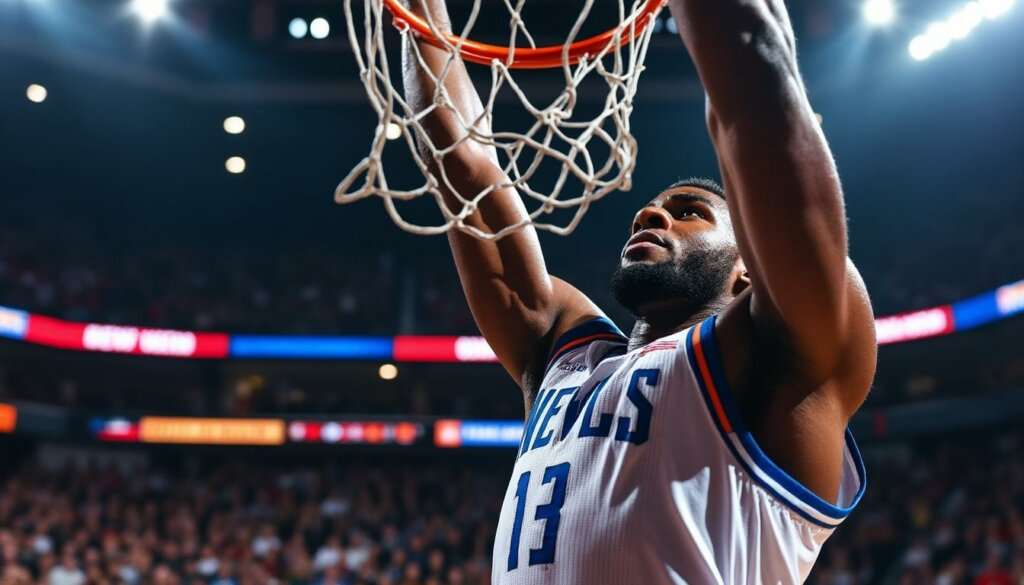
Former NBA All-Star returns to the court after a long rehabilitation period and delivers a Spectacular Performance that reshapes expectations around Achilles Recovery for elite players. The game night combined sharp scoring, confident defense, and visible endurance. Fans felt the emotion. Coaches logged new data on minutes and load. As a former pro, I focus on mechanics, rehab programming, and game management. The recovery timeline placed this Injury Comeback among the fastest recent examples in the league, following high-profile cases such as the long road taken by other stars. The event matters for roster strategy and betting lines, with media attention spilling into All-Star conversations and TV ratings. You, as a fan or player, gain clear lessons from the performance. Expect changes in how teams ease players back into rotation and how athletes approach rehab for high-load roles. The night proved that strong physical work, precise rehab steps, and game sense return more than points. This return signals a new chapter for the athlete and opens practical questions for coaches and front offices about minutes, practice load, and playoff readiness.
Former NBA All-Star Triumphant Return With Spectacular Performance After Achilles Recovery
The athlete stepped on the hardwood and produced a complete game. Scoring, rebounding, and playmaking mixed with strong on-ball defense. The crowd reacted to the Triumphant Return in real time. This performance forces teams to reassess minutes and role design for returning stars. Key takeaway, the athlete showed sustainable movement patterns under live stress.
How the Athlete Rebuilt Strength During Achilles Recovery
Rehab followed a staged protocol focused on mobility, progressive loading, and sport-specific drills. Early months emphasized controlled range of motion, then gradual plyometrics and on-court conditioning. Medical staff logged objective metrics, including force output and jump symmetry, to clear each phase. Comparison with historical recoveries shows a notably accelerated timeline when protocols align with elite training.
One reference point from past recoveries shows long timelines for some players, with a cited case requiring roughly 695 days before full return. That example helped shape safer benchmarks for this athlete. Coaches used those lessons to build a conservative ramp into competitive action. The approach prioritized durability over immediate high minutes. Final insight, strict metrics reduced risk during early games.
Sports Impact: What This Injury Comeback Means for Basketball Teams
Front offices must balance short-term wins with long-term availability. Load management becomes central to rotation planning for teams with championship goals. Sports scientists integrate game data into practice prescriptions to protect the athlete. Betting markets and fan engagement respond fast after a high-profile return, shifting lines and coverage across platforms such as the All-Star Game coverage.
Game film revealed specific adaptations. The athlete shortened stride in early possessions, then expanded range as confidence rose. Defensive footwork stayed crisp. The team planned staggered minutes to protect recovery metrics. Coaches reported better communication and pace control during key minutes.
Performance Breakdown: On-court Moves, Durability, and Role Fit
Offense showed efficient spacing and selective drives. Shooting balance prevented defensive overcommitment. On defense, the athlete used anticipation and timing instead of pure burst. Those compensations kept performance high while managing tendon load. Coaches emphasized recovery windows between high-intensity sequences.
- Load management remains essential for sustained season performance.
- Targeted strength work improved force symmetry in the lower limb.
- Game minutes should increase gradually over weeks, not days.
- On-court adaptations helped preserve efficiency while limiting overload.
- Mental readiness matched physical readiness late in the rehab process.
Practical tip for players, prioritize controlled progressions and measurable gates before adding high-volume minutes. This approach reduces recurrence risk and preserves playoff availability.
Rehab footage shows progressive plyometrics, resisted sprints, and gradual reintroduction to contact drills. Trainers used metrics to guide intensity. The athlete maintained court reps while minimizing maximal eccentric loading during early weeks. This strategy improved confidence without sacrificing tendon health.
Our opinion
As a former professional, I view this Triumphant Return as a model for elite Injury Comeback planning. The Spectacular Performance mattered for fans and for front offices deciding playoff roles. You should expect more teams to adopt conservative minutes ramps and data-driven clearance. Follow rehab metrics over hype before judging long-term impact.
For further context on recovery examples and league narratives, explore a detailed take on how other stars returned and how All-Star events shaped public perception via the analysis of past coverage and timelines found in this John Wall recovery review.