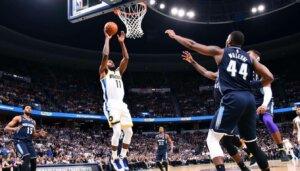
NBA All-Star Game Introduces Exciting New USA vs. World Showdown

NBA All-Star moves into bold territory with a fresh USA vs World format for 2026. The league announced a three-team round-robin set at the Intuit Dome in Inglewood on Feb. 15, 2026. Two U.S. teams will face one international squad in short, intense games. Each team must include a minimum of eight players, and the event will air on NBC and Peacock. As a former player, I see this shift as a test of pride, tactics, and preparation. Fans will still vote starters, with fan ballots carrying half the weight, players holding a quarter, and media the remaining quarter. Coaches pick reserves. Voting ignores positions, so lineups will look different from past All-Star rosters. The new bracket runs three 12-minute round-robin contests, followed by a championship game. If each team finishes 1-1, point differential decides the finalists. Expect higher energy, sharper defense, and moments that force players to adapt fast. Below, I break down selection rules, schedule details, fan impact, and game strategies. I add practical tips for players who want to shine in short bursts. This piece links to historical context and related analysis to help you follow the event closely as the season unfolds.
What the new NBA All-Star USA vs World format means for the All-Star Game
The format rewrites midseason priorities for players and coaches. Short games raise stakes for every possession. Teams will value versatility and clutch execution more than ever.
- Roster depth matters, since each team needs at least eight players.
- Short windows force coaches to optimize substitutions and matchups.
- Fan engagement should rise as national pride joins player rivalries.
Use the system to study minutes management and lineup balance. A former teammate, Alex, trained for quick rotations to excel in similar formats. He focused on high-effort defense and quick scoring bursts. That approach produced wins in short scrimmages during the preseason. Final insight: this event rewards players who prepare for intensity over long rhythm.
How players will be selected for the All-Star Game
Selection follows familiar routines with a twist. Starters come from combined fan, player, and media votes. Coaches nominate reserves. The vote ignores position labels, so lineups reward top talent rather than slot fit.
- Starters earn spots from fan votes (50 percent), players (25 percent), and media (25 percent).
- Reserves receive coach selections, filling depth and role needs.
- Commissioner picks apply if the voting mix does not reach 16 U.S. players and eight internationals.
For background on roster trends and past ballots, read the piece on 2023 All-Star starters revealed. Coaches must build teams for high-tempo bursts, not long runs. That changes how fringe stars earn minutes. Final insight: prepare to watch positionless lineups more often.
Schedule, rules, and the NBA Showdown format
The new schedule compresses action into four games across one afternoon. The format creates three 12-minute round-robin contests, then a final championship game. Game order moves quickly, so recovery and focus matter.
- Game 1 pits Team A against Team B.
- Game 2 matches the Game 1 winner with Team C.
- Game 3 features the Game 1 loser versus Team C.
- Game 4 crowns the champion between the two top teams by record or point differential.
Broadcast timing aims to maximize viewership on NBC and Peacock. For context on fan engagement at postseason events, consult NBA Finals fan engagement. Coaches will emphasize short-term tactics. Game plans will prioritize quick scoring sets and defensive stops in bursts. Final insight: the schedule rewards teams that start fast and sustain pressure.
How Team USA and the World team will face off tactically
Two U.S. teams create internal competition for minutes and roles. The World team blends international styles into a single unit. Matchups will test chemistry quickly.
- Team USA must balance veteran leadership with fast scorers.
- World will mix international playmakers with NBA scorers for varied looks.
- Point differential may decide finalists in a three-way tie, so margin matters.
Study historical examples of international cohesion from recent seasons, including how different play styles fuse in tournament play. For insight into player journeys and retirements that shape team narratives, see John Wall retirement. Expect the World unit to exploit spacing and quick decision-making. Final insight: chemistry wins over pure star power in short tournaments.
Impact on Basketball Fans and Global Basketball growth
The format aims to boost global interest and create fresh storylines. Fans, broadcasters, and sponsors will weigh in on which format generates the best moments. The event positions the league as a global sports event with clear stakes.
- Basketball Fans will enjoy national pride mixed with player rivalries.
- Global Basketball benefits from spotlight on international players.
- Sports Event value rises as networks push promotion and access.
For background on international matchups and historical exhibition conflicts, review the analysis of cross-market games like the Grizzlies meeting European audiences in Grizzlies Magic NBA Europe. Also explore roster debates and player rankings in Top 25 NBA players. Final insight: fan passion will shape the event more than rule tweaks.
Our opinion
The new format elevates stakes for midseason play. It rewards smart preparation, roster balance, and short-term intensity. Players who train for fast output will stand out.
- Team USA benefits from depth and cohesive leadership.
- International Players bring varied skill sets that challenge traditional NBA schemes.
- NBA Showdown status grows as networks and fans amplify the spectacle.
For scouting context and player comparisons that help predict All-Star impact, check the draft prospect comparisons. For discipline and rule precedent affecting rosters, read the NBA violations clippers case breakdown. Final insight: expect memorable plays and quick shifts in momentum that reward players who prepare like professionals on game day. Share your take and watch how the format shapes future All-Star editions.