Tarmak vs molten: bt900 or bg4500, which fiba-style basketball offers better value in Europe?
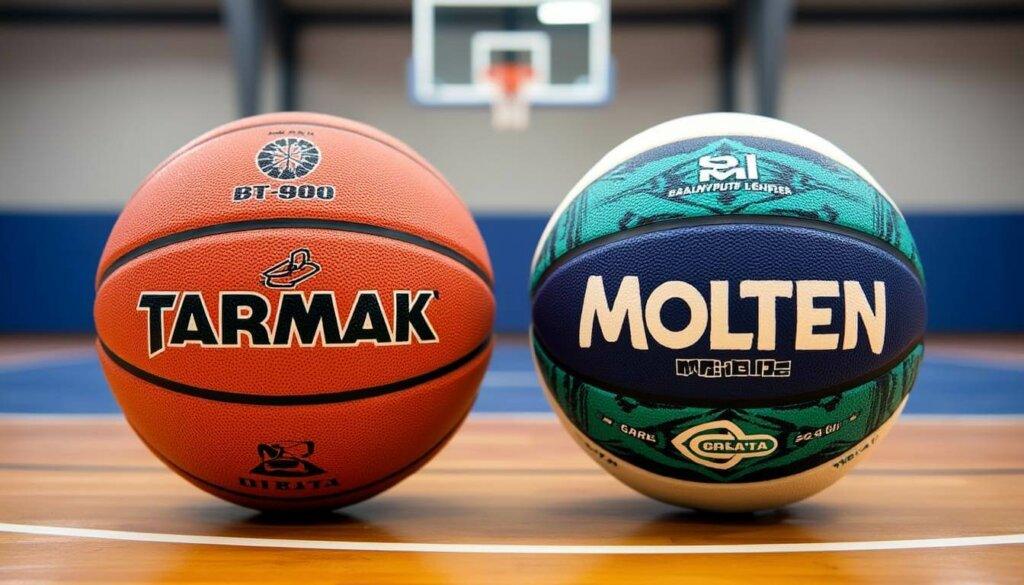
European clubs and weekend leagues keep asking the same question: which FIBA-style ball gives the best value — the Tarmak BT900 or the Molten BG4500? The debate isn't just about price; it's about feel, longevity on different surfaces, and what actually helps players perform. Across courts from Lisbon to Warsaw, coaches and players trade hands-on impressions that matter more than marketing copy.
- Key tradeoffs: initial feel vs. durability, indoor precision vs. outdoor resilience.
- Context: availability and price in European markets influence real-world value.
- Practical outcome: the right pick depends on your environment, not just the label.
I'll argue the case for each ball with concrete examples from club training, and show when you should choose one over the other.
Tarmak BT900 vs Molten BG4500: head-to-head value for FIBA-style basketballs in Europe
The headline: Tarmak BT900 aims at affordability and a modern composite feel, while the Molten BG4500 carries the pedigree of FIBA approval and a two-tone design that helps visibility. For European buyers, price fluctuation and import stock shape the true value more than tech specs alone.
- Manufacturing & approval: Molten's BG4500 is widely recognized in FIBA-style contexts; the BT900 competes by undercutting cost while imitating the feel.
- Design differences: Molten's 12-panel, two-tone layout improves visual reads; Tarmak follows a more conventional paneling but focuses on a tacky composite surface.
- Value drivers: warranty, replacement cycle, and real-world court wear matter more than brand headlines.
A coach I worked with in Madrid bought five BT900s for practice and rotated Molten balls for scrimmages — that split strategy says a lot about where each ball excels. The practical insight: buy for role, not just reputation.
Grip, feel, and game control: why players pick one ball over another
Feel is subjective, but at the game speed, small differences change outcomes. The BG4500 offers a consistent pebble pattern and a firm but controlled rebound. The BT900 tries to mimic that but often needs several sessions to break in to the same level of traction.
- Immediate grip: BG4500 usually feels more stable out of the box; BT900 improves after a few uses.
- Shooting touch: two-tone panels on Molten help depth perception for shooters during late-game situations.
- Ball control: on quick passing circuits, players reported fewer fumbles with the Molten in my training groups.
For a guard who relies on micro-adjustments to release, that extra predictability from the Molten can be the difference between a make and a miss.
Durability and real-world performance: indoor courts, outdoor courts, and wear patterns
Durability is the battlefield where value is decided. Molten offers a range — from the premium BG5000 leather for pure indoor play to the BG3800 hybrid for mixed surfaces, and the rubber BG2000 for rough outdoor courts. Tarmak's BT900 targets longevity at a lower cost, but the abrasive European asphalt can expose weaknesses faster.
- Indoor court owners: invest in Molten BG5000 or BG4500 for consistent bounce and a longer life on polished floors.
- Mixed or outdoor players: consider Molten BG3800 or a BT900 if budget is tight, but expect faster pebble wear on rough surfaces.
- Maintenance tip: rotate balls between practice and games to extend cover life — a standard pro trick I used during summer leagues.
When ranking value, factor in how many practices a ball survives before the cover softens or the grip flattens; that's where Molten often justifies its premium in club budgets.
Price, supply, and where BT900 outshines BG4500 in Europe
Price sensitivity matters more in regional leagues and youth programs. Tarmak typically undercuts Molten on MSRP and appears more frequently in Decathlon and local sports chains. That immediate availability can reduce downtime from waiting for imports.
- Upfront cost: BT900 usually lower, so clubs can equip more teams for the same budget.
- Stock & shipping: Molten sometimes faces supply constraints; check local dealers before committing.
- Resale & replacements: cheaper balls lower replacement costs but increase frequency of purchase.
If your priority is keeping squads practicing without budget pauses, the BT900 is defensible as the economical play; if your priority is competitive consistency, the BG4500 earns its price tag.
Practical advice for players and coaches: choosing the right ball by use-case
Decide by role: training volume, surface type, and competitive level. I’ll use a character to illustrate — Marco, a semi-pro coach in Porto, swapped to BG4500s for match days while using BT900s for high-rep drills. The split saved money and kept match feel consistent.
- Club matches: use Molten BG4500 or BG5000 for game-day consistency and player confidence.
- Daily drills: BT900 makes sense when thousands of touches can wear premium covers prematurely.
- Youth programs: prioritize durability and cost — mix BT900 and Molten BG3800 depending on court surfaces.
Practical tip: always keep a small stock of higher-grade balls for shooters and captains; that preserves feel during decisive moments.
Where ball selection intersects with player development, study tactical work too. Use drills from a solid motion offense plan and defensive frameworks to get the most out of your touches — resources like developing a dominant motion offense and the guides on basketball defense types and understanding defenses will help structure practice sessions.
Brand landscape and alternatives to weigh before investing in bulk
Molten vs Tarmak isn't the whole market. Brands like Spalding, Wilson, Nike, Baden, Gala, Mikasa, Adidas, and Peak each offer balls targeted at niches — leather indoor, mixed-surface composites, or rugged rubber for parks.
- Spalding/Wilson: classic NBA-style feel, often favored by players transitioning between FIBA and NBA touch.
- Nike/Adidas/Peak: performance-focused covers that sometimes prioritize grip innovation over longevity.
- Budget brands: Gala, Mikasa, and Baden deliver acceptable results for entry-level teams but check seam and bladder quality.
Compare models on price-per-hour-of-play rather than sticker price — that metric separates smart buys from penny-pinching mistakes.
Meanwhile, if you want a detailed equipment comparison, read my breakdowns like the Molten BG4500 vs GG7X and the BG3800 vs BG4500 comparison. For footwear and traction that complements your ball choice, see the 2025–26 shoe roundup and the Nike GT Cut 3 review to match surface performance.
Buying checklist for European teams and serious amateurs
- Define roles: game, practice, outdoor — buy accordingly.
- Budget plan: calculate cost per month of use instead of unit price.
- Stock strategy: rotate higher-grade balls into matches only to extend lifespan.
- Test protocol: try a small batch of BG4500s before scaling club-wide if you compete in FIBA-style tournaments.
Implementing a simple rotation policy will stretch your equipment budget and keep players performing at their best.
Further reading and tactical crossovers
Ball choice also interacts with strategy. If your team runs motion offense, selective substitution of match-grade balls during shooting drills can enhance timing and release. For defensive systems, consistent ball bounce helps with rebounding drills and closeout timing. See resources like the 4 types of defense and the importance of defense for drill ideas that pair with equipment choices.
- Offense drills: use match balls for shooting sequences to preserve muscle memory.
- Defense drills: tougher or cheaper balls can be used for contact-heavy rebounding work.
- Game simulation: always practice end-of-game sets with the ball you'll use in competition.
Equip training sessions with the right ball to make tactical work translate to games.
Quick tactical resource: if you run analytics or daily lineup tweaks (even for fantasy contests), the same disciplined approach applies — see sharp picks and daily reads at DraftKings NBA picks for an example of disciplined selection strategies.
Common questions from players and coaches
-
Is the Molten BG4500 worth the extra cost for club matches?
Yes — for competitive matches, the BG4500 delivers consistent grip and visibility that reduce variability in shooting and passing under pressure. Spend on match balls and use cheaper balls for volume work.
-
Can the Tarmak BT900 hold up for outdoor use?
BT900 is a strong budget choice for outdoor sessions, but expect faster pebble flattening on abrasive asphalt. Rotate and replace more often or supplement with rubber-covered options for parks.
-
How do I balance budget and performance for a youth program?
Buy a mixed fleet: Molten for teams and tournaments, BT900 for open gym and high-rep youth drills. This approach minimizes downtime and keeps key players practicing with match-like equipment.
-
Are there alternatives that match Molten performance?
Brands like Wilson and Spalding offer high-quality indoor balls with slightly different touch. Test a few models; prioritize the one that best suits your roster's shooting mechanics.
-
Where can I learn drills that maximize the ball choice?
Use structured drill libraries for offense and defense — start with guides on developing motion offense and defensive frameworks at Basketball Evolution linked above to align practice work with your equipment strategy.