The Big Ten's March Madness Dry Spell: Can They Break the NCAA Tournament Title Drought Since 2000?
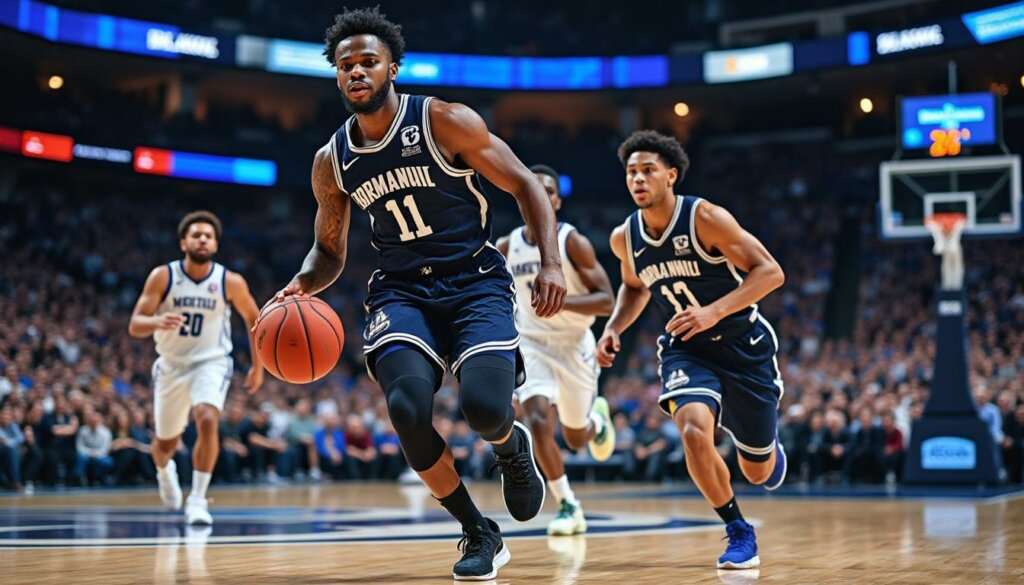
Big Ten enters the 2026 March Madness field under a heavy narrative. The conference holds vast resources and national brands, yet a Title Drought in men's hoops stretches back to Michigan State in 2000. Fans measure every deep run, every close loss, against that gap. This season the league sends multiple high seeds into the NCAA Tournament. Five teams rank among the top 13 on the selection committee list. That depth raises expectations, and pressure, for one program to end the drought on April 6 in Indianapolis. You want a champion from the conference. You want closure for decades of near misses and eight title-game losses since 2000. Inside the locker rooms, coaches stress execution and matchup planning. On the stat sheets, Sports Analytics highlight variance in single-elimination play and the importance of elite shooting and turnover control. I follow these games like a former pro. I examine matchups, coaching decisions, and player poise. This piece maps causes behind the drought, ranks top contenders for 2026, and outlines practical moves teams must make to break the streak. Read the scenarios, study the data, and pick your bracket with purpose.
Big Ten March Madness: Why the Title Drought Persists
The conference reaches Final Fours often. Still, a championship trophy has not returned to the league since 2000. Several factors explain the pattern. First, the tournament format injects variance into outcomes. Single elimination magnifies small errors into season-ending results. Second, many title-game losses occurred versus generational teams that entered on long win streaks and stacked rosters. Third, matchup issues and in-game adjustments under pressure have swung late games away from Big Ten clubs.
Analytics show seeds matter. Since 1985, most champions came from top three seeds. The Big Ten supplied high seeds often, yet those seeds failed to finish. Sports savants point to three recurring weaknesses in postseason play: perimeter shooting under pressure, free throw execution, and bench scoring depth. Teams addressing those areas will improve Tournament Performance.
Historical runs and missed chances in Basketball History
Final Four appearances from conference teams totaled 15 since 2000. Eight trips reached the championship game, all ending in losses. Some games remained competitive until the final minute. Others exposed roster mismatches versus elite foes. Examples include near-miss finals in 2005 and 2015, and a recent loss by Purdue in 2024. Those moments form a pattern for study, not a verdict for future seasons. Key takeaway, teams must prepare for elite offensive pressure from opponents and balance that with disciplined defense.
Insight final. The drought stems from small margins across several seasons, combined with runs by historically great opponents. Closing those margins requires tactical shifts and mental toughness.
Top Big Ten Title Contenders for the 2026 NCAA Tournament
The conference sends multiple contenders into the bracket. Four of the top 10 and five of the top 13 seeds belong to the league. That depth gives the Big Ten a statistical edge in odds to advance deep. Among teams, Michigan stands out after a 31-3 regular season and an All-America forward, Yaxel Lendeborg, who impacts both ends. Other high seeds bring veteran guards, experienced coaches, and efficient defenses.
Use the following list to compare contenders and factors that matter for a championship run.
- Michigan, balance, elite forward play, strong defense.
- Purdue, interior dominance, prior deep runs, foul management.
- Indiana, perimeter shooting, guard cohesion, late-game execution.
- Ohio State, athleticism, transition scoring, bench depth.
- Wisconsin, disciplined offense, set plays, free throw focus.
Each team must control turnovers, attack the offensive glass, and hit perimeter shots under pressure. Players with postseason poise will decide tight matchups.
Tournament Performance: Matchups, Analytics, and Coaching
Coaches who adapt in-game tip the balance. Analytics reveal late-possession efficiency and three-point defense as primary predictors of tournament success. Teams using lineups that limit opponent rhythm will lower upset risk. Prepare scouting plans for elite scorers on every draw. Use film to force opponents into half-court sets where your defense excels.
Example. A team facing a dominant post player must front, rotate help early, and emphasize offensive rebounding. Another team facing a hot perimeter unit must switch selectively and contest close to the line. Practice scenarios where pressure increases, and rehearse closing possessions. Final insight. Execution under stress separates contenders from pretenders.
Breaking the Streak: Practical Moves to Win the Championship
Breaking the Title Drought requires targeted changes. Focus on three areas across roster construction and game plan.
- Shooting reliability, invest practice time in late-clock catch-and-shoot drills.
- Free throw stability, simulate clutch fatigue and pressure in practice routines.
- Rotation flexibility, build small-ball and big-lineup sets to match opponent profiles.
Recruiting also matters. Players who handle pressure, possess high basketball IQ, and fit team identity form championship cores. Look for guards with decision-making skill and wings who defend multiple positions. Use sports analytics to identify undervalued skill sets and improve lineup choices. Final insight. Structured preparation gives teams a measurable edge in single-elimination play.
Our opinion: Will the Big Ten End the Drought in 2026?
Depth and seeding place the Big Ten among the most likely conferences to field a national champion this season. Multiple top seeds and experienced rosters create a clear path. Yet historical trends prove nothing without execution. For your bracket, favor teams with balanced offense and reliable late-game fundamentals. Track matchup edges and follow advanced metrics during the first rounds.
Follow coverage and game updates, including player narratives that affect momentum. For context on elite scoring performances and playoff-level scoring runs, read an in-depth report on a recent NBA streak here Jalen Brunson playoff scoring streak and another angle on his historic run in this article Brunson's scoring streak analysis.
Key final point. The drought will end when one program combines elite talent, coach adjustments, and cold-blooded execution in four straight tournament wins. Watch matchups closely, back teams with proven late-game poise, and expect the Big Ten to force national conversation this April.