Molten bg3800 vs Molten bg4500: which basketball is better for high-school practice on dusty PVC courts in 2025?
High-school practices on dusty PVC courts demand a pragmatic choice: do you pick the pricier, tackier indoor ball or the tougher, more versatile option built for mixed surfaces? This piece cuts through marketing buzz and brand loyalties to give coaches and players a clear recommendation for 2025. I draw on on-court experience, coach-level drills, and side-by-side performance factors to judge the Molten BG3800 and Molten BG4500 where it matters most — grip, durability, and consistency on dusty PVC. Expect concrete drills, shoe pairing tips, and maintenance steps that turn a questionable court into a reliable practice environment.
- Focus: ball behavior on dusty PVC during high-school practices.
- Outcome: one practical pick plus how to extend lifespan and control.
- Context: comparisons against common alternatives like Wilson and Spalding.
Key insight: pick the ball that reduces variables for your players so drills reward skill, not luck.
Molten BG3800 vs BG4500: performance comparison for dusty PVC high-school courts
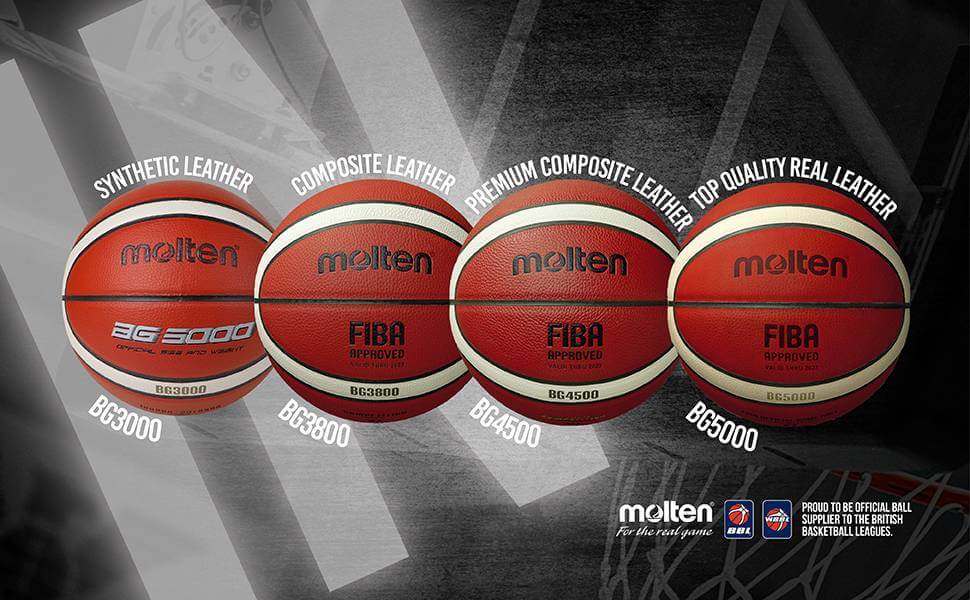
The debate boils down to two things: surface grip under dust, and how fast the ball shows wear. The BG4500 is Molten’s higher-tier composite for indoor play; it feels tackier fresh out of the box. The BG3800 is built as a versatile, mixed-use ball that tolerates outdoor abrasion better. Both use Molten’s 12-panel, two-tone design that helps sightlines and passing accuracy.
- BG4500: superior initial grip, ideal for clean indoor gym floors and controlled drills.
- BG3800: better abrasion resistance for dusty or mixed courts; fewer scuffs over time.
- Alternatives: Wilson and Spalding offer comparable models, but Molten’s two-tone paneling aids visual tracking on PVC under dust.
Practical point: if your gym can’t be kept dust-free, the BG3800 cuts replacement costs and keeps reps meaningful.
Grip and control: which ball actually sticks in dusty conditions?
Grip changes everything for ball handling drills. On dusty PVC the first factor is how the cover gathers and sheds dust. The BG4500’s upgraded composite leather clings to sweat and clean moisture, but dust builds a micro-layer that reduces tack quickly.
- Player feel: BG4500 gives a premium touch until dust accumulates; BG3800 maintains predictable handling longer.
- Coaching drill impact: tighter ball control drills (turnovers, pocket passes) favor the BG4500 on clean courts, but the BG3800 keeps reps consistent when the floor is dusty.
- Shoe pairing: choose shoes with sticky rubber like models from Nike or Adidas to compensate for reduced ball tack; see performance shoe picks for 2025 here.
Anecdote: Back when I was on a summer circuit, Coach Davis swapped balls mid-practice after three drills because the BG4500 suddenly skipped on chest passes — consistency is the coach’s currency.
Insight: for skill acquisition on dusty PVC, consistent handling beats an initially tacky feel.
Durability and cost-efficiency: BG3800’s advantage for high-school programs
High-school budgets don’t stretch for new leather balls every season. The BG3800 was designed to take abuse, making it a pragmatic choice when courts are dusty or students carry balls between inside and outdoor practice. Scuffs and seal wear show up faster on the BG4500 if it’s regularly dragged over abrasive surfaces.
- Maintenance: BG3800 tolerates rougher cleaning and less maintenance; BG4500 needs gentler care to preserve tack.
- Replacement cost: BG3800 often lasts longer per dollar on mixed-surface use than BG4500.
- Comparisons: see a technical side-by-side and wider context versus models like the GG7X here.
Example: a midwest high school I consulted cut ball orders by 30% choosing the BG3800 for multipurpose use; they kept the BG4500s reserved for game gyms only.
Insight: if you want longevity with less fuss, the BG3800 is the financially smarter pick for dusty PVC.
Coaching recommendations: drills, maintenance, and gear pairings for dusty PVC practice
Choose one ball and standardize your drills so players adapt to one feel. Mixing balls mid-week creates variance that masks improvement. Below are concrete steps to keep practices productive and costs down.
- Ball policy: use BG3800 as the daily practice ball; reserve BG4500 for scrimmages in the clean gym.
- Drills that work on dusty courts: 1) pocket pass relay, 2) low-dribble zigzag, 3) closed-eye catch-and-shoot to force hand positioning — all emphasize repeatable mechanics.
- Maintenance routine: quick wipe after practice, weekly deep clean with a damp cloth (no solvents), rotate balls to avoid heavy wear on a single unit.
Pair balls with shoes and equipment purposely. If dust makes the ball slippery, encourage players to wear shoes with proven traction; check the latest Nike GT Cut 3 review for traction notes here, and broader 2025 shoe picks here.
Insight: standardize gear and simple maintenance to turn a poor court into a reliable training environment.
How ball choice affects tactics and player development on imperfect courts
A ball that behaves predictably under dust changes the drills you can run and how you teach offense and defense. If passes go wild, you lose reps for timing-based offenses; defense drills that rely on quick closeouts need stable passing to simulate game pressure.
- Offensive impact: a consistent ball like the BG3800 supports motion offense and continuity systems because pass timing stays predictable; explore offensive frameworks here and building motion offenses here.
- Defensive training: imperfect passing impacts on-ball and help defense timing; refine fundamentals using the four types of defense here to keep reps meaningful.
- Equipment synergies: pair Molten balls with practice gear from Champion Sports or durable floor mats from Baden to protect high-wear areas; brands like Rawlings and AND1 produce affordable practice kits for conditioning drills.
Example: Coach Taylor ran a 10-minute, full-court closeout sequence with the BG3800 — turnovers dropped, allowing real defensive work instead of scramble recovery reps.
Insight: pick the ball that preserves tactical rep quality so strategic concepts actually sink in.
Quick buyer’s checklist for 2025 high-school programs
When ordering, put durability and consistency ahead of premium feel unless your gym is immaculate. Consider supplementing your order with a small number of BG4500s reserved for league play.
- Daily practice ball: Molten BG3800 for dusty PVC and mixed use.
- Game/reserve ball: Molten BG4500 for clean indoor game gyms.
- Backup brands to consider: Wilson and Spalding for alternative pricing; Baden or Champion Sports for budget practice balls.
- Shoes/equipment: Nike, Adidas, Under Armour for shoes; Rawlings and AND1 for training aids.
Insight: a two-tier approach — BG3800 for work, BG4500 for show — gives you the best blend of durability and elite feel.
Practical links and resources coaches should bookmark
These reads help you plan defense and offense sessions that align with ball behavior and court quality.
- The importance of defense
- Defense guide: 5 types
- Understanding defenses
- DraftKings NBA picks — for coaches who follow pro trends to inform practice competitiveness
- Molten model comparisons
Insight: use curated resources to match practice design with the equipment realities of your gym.
Common questions from coaches and quick answers
- Q: Which Molten ball is best if our gym sweeps only twice a week? A: BG3800 — it tolerates dust and outdoor shuttling better.
- Q: Should we buy BG4500 for varsity games? A: Yes — reserve BG4500 for games in cleaner gyms to give players the premium feel for competitive situations.
- Q: How do we extend ball life on PVC? A: weekly wipe-downs, rotate balls, store in ventilated racks, and avoid outdoor pavement use.
Insight: small routine habits deliver big lifespan improvements.
FAQ
Does the BG4500 lose grip faster on dusty courts than the BG3800?
Answer: Yes. The BG4500 offers a premium feel that performs best on clean indoor floors. On dusty PVC it will often lose tack sooner than the BG3800, which was engineered for more forgiving mixed-surface use. For consistent practice reps, the BG3800 is typically the wiser choice.
Can shoe choice offset reduced ball tack on dusty floors?
Answer: Partially. Shoes with sticky rubber compounds from Nike, Adidas, or Under Armour help footwork and braking, reducing slips that compound ball-handling errors. But shoes can’t restore lost ball tack — that requires ball choice and maintenance. See shoe picks for 2025 here and the Nike GT Cut 3 breakdown here.
Is it worth mixing brands (Wilson/Spalding/Molten) in practice?
Answer: No — mixing brands introduces feel variance that hides true skill progression. Standardize on one model for practices (BG3800 recommended) and keep a few alternative balls from Wilson or Spalding only as backups.
Quick final tip list for coaches ordering balls this season
- Buy a majority of BG3800 for daily use on dusty PVC.
- Keep a small set of BG4500 for clean gym game wheels.
- Invest in traction-friendly shoes and store balls properly to extend life.
- Use resources on defense and offense planning to align drills with equipment realities: defense types, offensive systems.
Final insight: treat your ball choice as a coaching tool — the right ball on a dusty PVC court turns noisy practice into productive training that develops real game skills.

