Wilson evolution vs Baden elite (size 6): which basketball is better for French clubs in 2025?
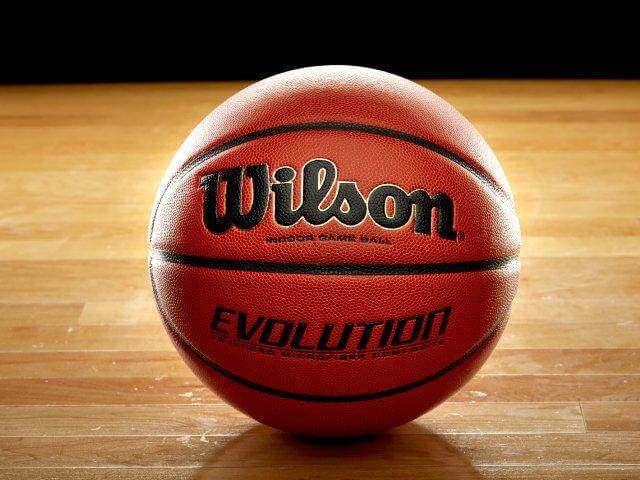
For French clubs weighing options for a size 6 indoor ball in 2025, the debate between the Baden Elite and the Wilson Evolution keeps coming up in gymnasiums from Lyon to Saint-Denis. Both are proven performers, but they answer different needs: one prioritizes elite play characteristics, the other sells durability and familiarity. Below I break down how each ball behaves in real training and match contexts, and what French coaches should actually choose when building rosters and budgets.
Indoor performance comparison: Baden Elite vs Wilson Evolution (size 6) for French clubs
On an indoor parquet, the two balls tell very different stories. The Baden Elite is built around player control and consistent bounce, while the Wilson Evolution trades some top‑end playability for long-lasting feel and widespread use in gyms.
- Bounce and consistency: Baden’s patented Cushion Control Technology delivers a symmetric, predictable rebound that helps ball handlers and wings time passes better.
- Grip and immediate feel: Wilson’s Evo microfiber composite gives a tacky first touch that many players prefer in short sessions.
- Game vs. practice: Baden leans game-grade for elite athletes; Wilson is the workhorse of high schools and rec centers.
Key takeaway: For teams chasing precision in offense and tight ball control, the Baden Elite nudges ahead; for clubs needing a dependable everyday ball, the Wilson Evolution remains a top pick.
Grip, feel and control — why Cushion Control makes a difference in size 6 play
When you drop from a men’s size to size 6, tactile feedback becomes crucial for shooters and young guards. The Baden Elite’s Cushion Control works to stabilize that feel, reducing irregular bounces that cost possessions.
- Dribbling: Players report cleaner, more confident ball handling on penetration.
- Shooting: The consistent surface and bounce help line up repeatable releases in game scenarios.
- Passing: Symmetry in construction keeps passes true to target across the court.
Coach Claire at a Parisian youth club switched mid-season to the Baden Elite and noted fewer tipped passes and more controlled pick-and-roll reads — a practical proof of the technology in action.
Final insight: For developmental squads that prioritize skill translation to competitive play, the control advantage of the Baden Elite is decisive.
Durability, maintenance and club budgets: what French teams must consider
Budget matters. Clubs in regional leagues and municipal gyms need balls that survive heavy daily use. The Wilson Evolution has a long track record for durability thanks to its Evo microfiber composite, while the Baden Elite demands a bit more care but rewards with performance.
- Cost per lifespan: Evolution often costs less long-term because it resists wear in high-usage settings.
- Care routine: Baden performs best on clean indoor courts and benefits from more careful storage.
- Versatility: If teams rotate balls between practice and matches, Evolution’s durability is attractive.
Practical note: If your club pairs the new balls with branded gear from Nike, Adidas or Under Armour, plan procurement for both footwear and balls together to manage wear patterns and training loads. For comparisons with other models like Molten, see the detailed tests here: Molten BG3800 vs BG4500 comparison and Molten BG4500 vs GG7X.
Key takeaway: For stretched club budgets and heavy daily rotations, the Wilson Evolution often offers the best value; for match-day excellence, invest selectively in the Baden Elite.
Which ball fits club uses: training, competitions, or mixed programs?
Deciding a standard means weighing training intensity against competitive ambitions. Many French clubs run mixed programs where both balls can coexist, each assigned to a clear role.
- Training ball: Wilson Evolution — durable, forgiving, and resilient for high-rep drills.
- Match ball: Baden Elite — premium feel for game speed; better for refereeing consistency.
- Youth transition: Use size 6 Baden to accelerate skill transfer for girls and intermediate boys.
Example: The Saint-Quentin academy switched to Evolutions for daily drills and reserved a handful of Elites for official fixtures; turnovers fell and shooting percentages rose during match play.
Final insight: A two-ball strategy—Evolution in practice, Elite in games—balances cost and competitive edge for most French clubs.
How standards and brands influence club choices in 2025
Regulatory and cultural factors shape procurement. While NFHS approval is a sign of quality in North America, French clubs reference FIBA standards and player experience when choosing. Brand familiarity also matters: staff and players gravitate toward recognizable names.
- Brand ecosystem: Clubs that outfit teams with Jordan, Rawlings or Mitre often look for matching ball quality and supplier relationships.
- Cross-brand testing: Try balls from Spalding, Molten and niche lines to find what suits court surfaces and player levels.
- Technical coaching links: Integrate ball choice with tactical work — read up on defensive frameworks that interact with ball control here: Understanding the importance of basketball defenses and Basketball defense guide: 5 types.
Procurement tip: Combine ball purchases with gear deals from manufacturers like Nike and Adidas to reduce unit cost and standardize team equipment.
Key insight: Brand reputation and compatibility with club suppliers often tip procurement decisions as much as pure technical merit.
Practical checklist for French coaches selecting a size 6 ball
When I visit clubs as a consultant, I hand coaches a short checklist to decide fast and objectively.
- Assess court surface and cleaning schedule — indoor parquet favors Baden’s tech.
- Estimate daily touches per ball — if high, favor Wilson for longevity.
- Allocate budget for a game‑grade set of Baden Elite and practice set of Wilson Evolution if possible.
- Test with your best shooters and primary ball-handlers in match simulations before bulk buying.
Extra reading and product context available on related tests and footwear pairing: new basketball shoes for 2025-26 and the Nike GT Cut 3 review.
Final thought: A clear, small-scale pilot (two balls per age group) prevents costly mistakes when rolling out a club-wide standard.
Questions coaches ask most:
Does the Baden Elite suit girls’ and intermediate leagues using size 6?
Yes. The Baden Elite was designed to perform for elite athletes in intermediate sizes and offers an easier, consistent bounce that helps transition skills to faster game situations.
Is the Wilson Evolution still the default choice for everyday club training?
Absolutely. The Wilson Evolution combines durability with an immediate tactile feel that makes it ideal for high-volume practice sessions.
How should a club split its equipment budget between game and training balls?
A pragmatic split is 30% game-grade (Baden Elite) and 70% training-grade (Wilson Evolution), adjusted for squad sizes and match frequency.
Are there worthwhile alternatives from Molten, Spalding or others?
Yes. Models from Molten and Spalding offer competitive options depending on court type and player preference; compare specifics in the Molten guides here: BG4500 vs GG7X and Tarmak vs Molten.
Can switching ball types improve a team’s defense and tempo?
Yes. Using a ball with better control like the Baden Elite can reduce turnovers and improve tempo management, which ties directly to defensive effectiveness discussed in this breakdown: the 4 types of defense and real coaching suggestions at Basketball Defense Guide.