Li-Ning all city 12 vs 11: which budget guard shoe to buy in EU in 2025?

Deciding between the Li-Ning All City 12 and the All City 11 as a European guard comes down to one simple choice: prioritize refined on-court performance or value with proven traits. From a former NBA guard’s perspective, the 12 sharpens what the 11 did well — traction and responsiveness — but not without trade-offs in materials and fit that matter for players with wide feet or long practices. This piece cuts through the marketing and compares play-by-play: traction, cushioning, lockdown, durability, and where each shoe sits against the broader market of Nike, Adidas, Puma, Under Armour, ANTA, Peak, Reebok, New Balance, and Asics for EU buyers in 2025.
Li-Ning All City 12 vs 11 quick verdict for EU budget guard shoe buyers 2025
The headline: the All City 12 is the sharper performer for guards who value crisp cuts and court feel, while the All City 11 remains the better choice for players who need a predictable fit and slightly softer ride at a lower price.
- All City 12: better traction, snappier responsiveness, slightly firmer cushion.
- All City 11: more forgiving cushion, proven durability, often cheaper on EU marketplaces.
- Both undercut big brands on price while punching above weight in pure guard play.
For a practical example, imagine Marco, a 6'2" point guard in Madrid who plays three nights a week. He tried the 11 for a season and appreciated the comfort; after switching to the 12 he gained sharper first-step bursts but needed to size differently for lockdown. That trade-off matters for guards who log heavy minutes.
Key insight: pick the 12 if you prioritize on-court snappiness; pick the 11 if comfort and budget predictability matter more.
On-court performance comparison: traction, cushioning and lockdown for guards
Breaking the game into fundamentals gives clarity. Traction changes how you cut; cushioning changes how you finish and feel after long sessions; lockdown determines whether the shoe becomes an ally or a distraction.
Traction: where the All City 12 pulls ahead
The All City 12 introduced a refined rubber compound and a tighter tread pattern aimed at quick lateral stops. On clean courts, grip is immediate.
- 12: superior bite on polished indoor floors, better for guards who rely on quick shuffles.
- 11: consistent traction, more forgiving when dust accumulates — a plus for multi-court European gyms.
- Practical tip: clean the sole after outdoor sessions to preserve lifespan.
Compare this to other guard-focused lines and you'll see parallels; players struggling with heel stability elsewhere can read related breakdowns like the Curry 11 vs 10 heel stability piece to understand how small outsole changes shift performance. Traction wins possession battles.
Cushioning: punchy vs forgiving
The All City 12 leans firmer and more responsive; that's ideal for quick guards who need court feel. The All City 11 uses slightly plusher foam, offering a more forgiving feel for long pickup sessions.
- 12: lower energy loss, better for quick stops and jump-shoot-repeat sequences.
- 11: better shock absorption over long sessions or for heavier players.
- Example: a guard playing back-to-back games will feel less fatigue in the 11 after the second night.
Want context across brands? Check comparative reads such as the Nike GT Cut 3 vs GT Cut 2 to see how cushion tuning reshapes guard play. Cushion choice dictates end-of-game legs.
Lockdown and stability: fit matters most
Lockdown in the 12 is achieved through an improved midfoot strap and firmer heel counter. That can cause pressure points for certain foot shapes. The 11's softer upper fits more feet comfortably.
- 12: excellent lockdown for narrow to medium feet; less friendly to wide forefeet.
- 11: better for wide feet thanks to a stretchier upper — an area where other brands like ANTA have dedicated models (see ANTA KT9/KT8 wide feet).
- Advice: try both sizes in-store or order two sizes when buying online in the EU and return the worst fit.
For players sensitive to fit changes, read comparative takeaways like how ANTA evolves fit across generations. Lockdown defines confidence on aggressive moves.
Fit, materials and durability: how Li-Ning stacks up against Nike, Adidas, and other brands in EU markets
Li-Ning sells value through targeted performance. But in 2025, EU buyers can choose from many alternatives. The decision is not just performance but lifecycle and resale.
- Materials: Li-Ning often uses lighter synthetics; Nike and Adidas may use premium foams but at higher price points.
- Durability: the All City 11 shows slightly better midsole resilience over six months of heavy court use.
- Brand alternatives: Puma, Under Armour, Peak, Reebok, New Balance, and Asics offer niche advantages — cushioning, width options, or resale network.
Take the case of a guard who alternates gym and street: the 11 kept its midsole under higher mileage, while the 12 needed more care to avoid outsole wear. If you follow debates among pros on fit and injuries, see notes like the analysis of Brandon Ingram-type injuries and minutes management in playoff contexts (Butler injury and playoff management) or the mobility critiques from younger stars (Mobley's critique of the modern NBA).
Key insight: if you want premium cushioning alternatives, explore models from New Balance or Asics; if you want value and guard-focused responsiveness, Li-Ning is hard to beat for the price.
Which Li-Ning All City should a European guard buy in 2025? practical buying guide
Make the decision based on playstyle, foot shape, and marketplace deals. Pricing in the EU is volatile; watch seasonal discounts and local retailers. I recommend a two-step buying test: test on-court, and measure post-practice fit.
- If you are a quick, shifty guard who values first-step explosiveness: choose the All City 12.
- If you log heavy pickup sessions and need day-to-day comfort: choose the All City 11.
- If you have wide feet, prefer the 11 or compare to ANTA wide options (see ANTA wide-feet guide).
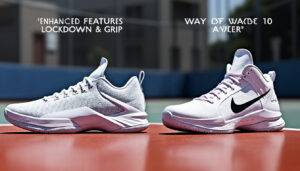
- Shop smart: compare EU retailers and read comparative tech pieces like Wade 11 vs 10 narrow feet if you’re unsure of width tendencies.
Also consider reading cross-brand notes when deciding: the Curry hamstring game review and other articles reveal how court feel links to play and injury risk — valuable context when choosing cushioning and fit.
Key insight: buy the shoe that matches your dominant playing conditions — indoor polished courts favor the 12; mixed-court volume favors the 11.
Quick reference links worth reading before buying:
- Curry 11 vs 10 heel stability
- ANTA Kai 1 vs Kai 2
- ANTA KT9/KT8 wide feet guide
- Nike GT Cut 3 vs GT Cut 2
- Wade 11 vs 10 narrow feet
Key insight: cross-referencing cross-brand reviews reduces buyer’s regret and helps you pick the best guard shoe for your EU court life.
How to test before you buy:
- Wear socks you typically use for games; test lateral slides and sprint stops for at least 10 minutes.
- Check heel slip and midfoot pressure — tighten and loosen the lacing to simulate game-time adjustments.
- If ordering online, keep two sizes for comparison and return the one that fails lockdown or comfort.
Questions and answers
Which model offers better traction on dusty EU indoor courts?
The All City 12 provides sharper bite on clean polished floors, but the All City 11 is more forgiving when courts are dusty. Regular sole cleaning is crucial either way.
Are the All City shoes suitable for players with wide feet?
The All City 11 is friendlier to wider feet. If you need confirmed wide-fit options, consider ANTA models highlighted in the linked wide-feet guide.
How do Li-Ning shoes compare to Nike or Adidas for guard play?
Li-Ning competes strongly on price-to-performance for guard moves: the brand often targets court feel and traction. Nike and Adidas may offer more tech in foam and a broader sizing/resale network, but at a higher cost.
Should I worry about midsole durability in the All City 12?
The 12 uses firmer foam to boost responsiveness; that can mean less cushion rebound over heavy mileage compared to the 11. Track your usage and rotate shoes if you train often.
Where can I learn more about fit differences across brands?
Read comparative analyses like the ones linked above — they explain how small design changes impact stability and fit. Practical testing remains the best method: try them on court and simulate real game movements.