Reggie Miller Supports Jeff Teague's Assertion That Larry Bird Would 'Dominate' in Today's NBA
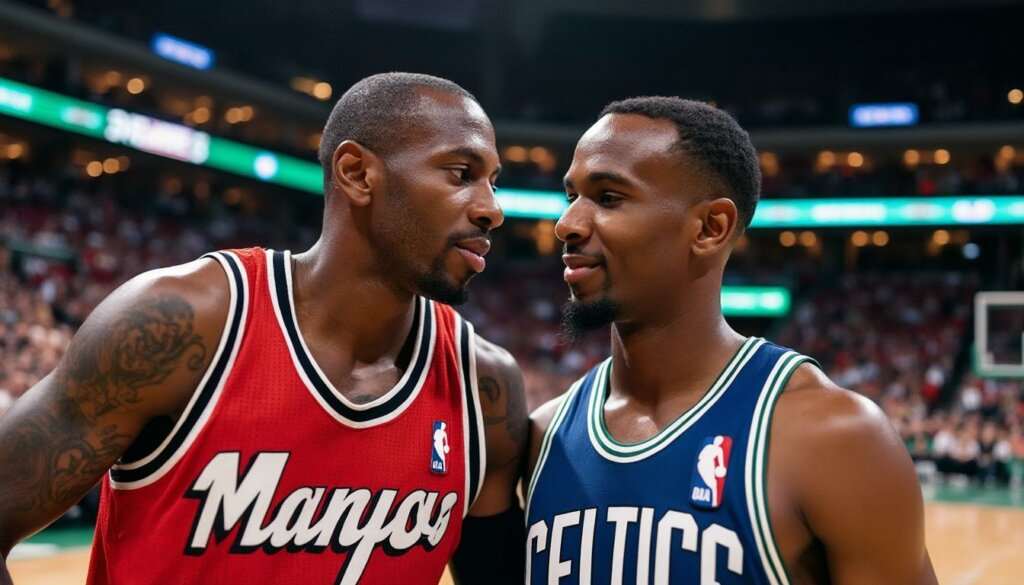
Jeff Teague reignited a debate over old versus new today by saying Larry Bird would dominate in the modern era of the NBA. The comment landed on a podcast and sparked reactions from fans and former players alike. Reggie Miller stepped in on national radio to back Teague, offering a blunt take on how true greatness moves across eras. He named peers whose skill sets would translate into high impact on any roster, and he pushed back on critics who reduce legends to raw athleticism alone.
This exchange matters for sports fans and analysts. It forces a modern view on skills, spacing, and offensive rules that shape today's game. The talk probes questions about how shooting, passing, and reading defenses change player value. It also highlights which traits withstand rule shifts and new training methods.
As a former pro, I value lived matchups. Watching film of Bird and then watching current stars like Nikola Jokic reveals a throughline. Elite court vision, shot timing, and competitive pulse link eras. Those traits create best responses for modern defenses and modern schemes.
Expect dispute from fans who focus on athletic testing or 3-point volume. This debate rewards nuance. It also rewards simple proof from head-to-head film and role fit. Below, I break the argument down, show examples, and offer a clear opinion.
Reggie Miller supports Jeff Teague: Why Larry Bird would dominate today
Reggie Miller appeared on a talk show to state his view: Larry Bird would dominate current NBA games. He argued skills beat pure athleticism, and he listed stars who would remain dominant across decades. Miller named Magic Johnson and Michael Jordan as examples, and he defended centers like Shaq from claims of being era-bound.
Miller pointed out how rules and spacing favor offense today, which helps playmakers and shooters. He stressed how elite instincts survive rule shifts and faster tempo. The message reached fans who never saw Bird live, offering fresh context on legacy and role fit.
How the Bird comparison holds under modern scouting and analytics
Larry Bird used vision, shooting, and psychological edge to win. Modern scouting values those traits in measurable ways. Teams track shot creation, assist chances, and clutch splits. Bird's profile maps well onto today’s metric sets.
Film shows how he positioned his body, exploited mismatches, and punished closeouts. Those skills relate to present spacing and to offenses built around pick and roll and off-ball movement. In short, he fits modern roles with minimal technical change.
Player comparison list: Legends who would dominate any era
- Larry Bird, for elite shooting, passing, and basketball IQ
- Magic Johnson, for playmaking and size at the point
- Michael Jordan, for scoring instinct, competitiveness, and defense
- Shaq, for interior dominance and rim control
Each name above meets two tests. First, a proven edge on fundamental skills. Second, an ability to adjust role and effort under new rules. Miller emphasized both points while discussing Bird and others. If you want deeper history on Jordan’s legacy, read a detailed profile on Michael Jordan's legacy.
Modern athleticism versus timeless skills in basketball
Fans measure players with athletic testing and advanced tracking. Those tools matter, but they do not replace decision making. Players like Nikola Jokic show how low-profile athleticism pairs with elite processing. Study his rise for insight into nontraditional paths to dominance, see Nikola Jokic's rise.
Modern spacing rewards shooters and passers. It increases value for players who read coverages quickly. Bird’s shooting range and passing instincts provide direct benefit on modern rosters. Athleticism helps on defense and in transition, but high-IQ play sets a base for sustained dominance.
Our opinion
Reggie Miller and Jeff Teague framed a strong case. Greatness rests on adaptable skill, not era-bound athletic testing. Larry Bird possessed traits that translate directly into modern offenses and analytics. For fans and analysts, that offers a simple test: compare film, then compare impact within role structures.
Think about roster fit, not era labels. Players who control pace, make teammates better, and execute under pressure keep value. Share your view, study matchups, and keep the debate alive.