Steve Kerr Voices Frustration Over NBA Rules Following SGA’s Unprecedented 15 Free Throw Attempts
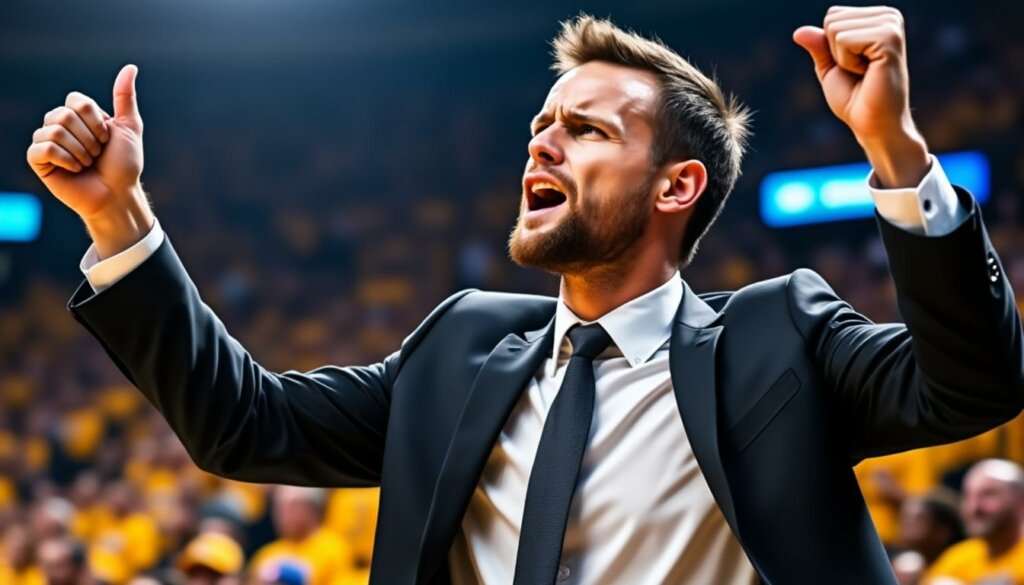
Steve Kerr spoke bluntly after Golden State’s 104-97 loss to Oklahoma City, expressing deep frustration with current NBA rules following SGA’s unprecedented 15 free throw attempts. The game highlighted a growing NBA controversy over game regulations that favor contact-drawing guards. The reigning MVP finished with 27 points, making 14 of 15 attempts at the line, a sequence that shifted the flow of the matchup and left Warriors coaching staff searching for answers. From a former player’s viewpoint, the strategic use of off-arm separation and swift whistle wins reshape how defense must approach elite scorers. Golden State’s offensive inconsistency and injury issues magnified the problem, since opportunities from free throws became decisive. League officials face pressure from coaches and fans to review how contact, screen fights, and follow-through calls influence outcomes. This story holds relevance for every team pursuing playoff seeding, since free points alter win probability and roster value. Expect conversations about rule tweaks to intensify across media and front offices, while players refine skills that exploit current enforcement. Strong reactions from figures inside the league turn this episode into a wider debate about fairness, officiating, and the future of basketball rules.
Steve Kerr criticizes NBA rules after SGA’s unprecedented free throw attempts
After the loss, Steve Kerr pointed to modern officiating trends which reward offensive players who draw contact with subtle moves. He praised SGA for basketball IQ, while stressing a problem with game regulations which leave defenders with limited legal responses. Kerr noted that allowing off-arm separation creates frequent whistle outcomes, shifting defensive strategy away from physical contests. This perspective connects to a larger NBA controversy about how the rules influence scoring patterns.
That view forces teams to rethink defensive training and lineup choices. Coaches must prepare for frequent trips to the line by opponents. Strong defensive fundamentals lose value when the whistle decides tight contests.
How current game regulations affect defenders and flow of play
Officials now interpret contact with more sensitivity, especially on perimeter drives. When offensive players use the off arm to create separation, guards face narrow margins for legal defense. This trend produces increased foul calls and increased free throw volumes for elite scorers.
From a tactical angle, teams face a choice: gamble on aggressive defense and risk whistles, or concede space and rely on rotation and help defense. Both options carry consequences for rotation minutes and late-game execution.
Stat gap between Warriors and free-throw heavy teams
Stat lines expose the discrepancy. Golden State ranks near the bottom in team free throws per game, while Oklahoma City approaches league average thanks largely to SGA’s volume. The Thunder’s offensive approach produces consistent trips to the line, producing what many call an unprecedented advantage in certain matchups.
SGA has led the league in made free throws across multiple seasons, averaging high attempts per game. Through a recent 53-game stretch, he posted averages near 31.6 points and 6.4 assists, numbers which underline his role as an offensive engine.
Defensive coaching notes from a former pro
From a player-coach perspective, adjustments must focus on anticipation, angle control, and legal frame use on drives. Teaching young defenders to force baseline rather than allow straight-line attacks reduces off-arm separation opportunities. End-of-game planning should include specific rules for hand placement during screens and when to concede a foul to avoid worse outcomes.
These steps do not remove the problem but mitigate exposure. Effective preparation converts frustration into tactical improvement.
Why the league debate over NBA rules matters for teams and fans
This NBA controversy affects economics and fan perception. Free points alter win-loss records, influence betting markets, and affect player valuations during contract talks. Front offices watch patterns closely since sustained advantage from free throw frequency changes roster construction priorities.
Media voices and former players weigh in across platforms, making officiating a public policy topic for basketball. For context on how league coverage shapes public debate, see an analysis of broadcast handling and criticism from prominent commentators at Barkley criticizes TNT handling. For a view on team strategy shifts amid roster moves, read about franchise planning challenges at Lakers free agency challenges. These pieces illustrate how rules, media, and front office choices interact.
Practical adjustments coaches should implement now
- Refine footwork for on-ball defenders to cut angles without using the arm.
- Teach baseline force to limit straight-line drives which produce contact opportunities.
- Drill legal hand placement on screens to prevent easy offensive separation.
- Simulate whistle scenarios in practice so players react calmly under pressure.
- Prioritize late-game fouling strategy to avoid free point swings.
Applying these measures helps teams reduce exposure in critical moments.
Officials, rule makers, and the path forward for game regulations
League officials face pressure to clarify enforcement language and offer consistent guidance across crews. Proposals include stricter limits on off-arm usage, clearer screen-related definitions, and enhanced replay review for contact on drives. Those changes would alter coaching methods and player behavior.
Open discussion between coaches, players, and officials creates a route for meaningful reform. Fans want fair competition; teams want predictable enforcement. Both interests align on a desire for cleaner, more competitive basketball.
Key takeaway from the Warriors-Thunder clash
Steve Kerr voiced a concern which resonates across the league: rules and enforcement shape outcomes as much as talent. SGA exploited current standards to dominate at the line, creating a moment which could trigger broader change. Coaches must adapt while stakeholders work toward clearer game regulations.
That tension will continue to drive conversation across locker rooms and front offices.
Our opinion
Officiating trends require a balanced response. Rule clarification helps preserve defensive skill while honoring offensive craft. The league should pursue targeted wording changes which reduce exploitation of separation tactics, while investing in referee training for consistent application. Teams must improve defensive fundamentals and game plans to limit exposure to frequent free throw sequences. Fans deserve a game where talent decides outcomes rather than inconsistent enforcement.
Leaders on all sides should treat the conversation as a priority for the health of basketball.